
Viewing 7 - 12 out of 14

Feline
Cats and Poisons
Many cat owners already know that insecticides and antifreeze are not things their cats should consume. However, many everyday, innocuous-seeming substances are also poisonous to cats. From a beautiful bouquet of lilies to human medications casually left around the house, you never know what you cat
Feline
Anesthesia
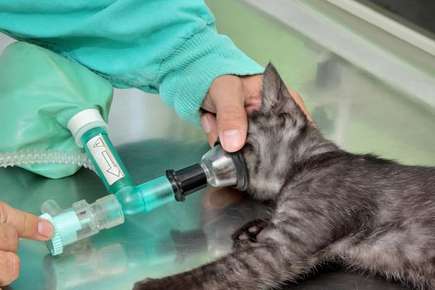
It’s an unfortunate fact that most cats don’t relish a trip to the vet. For this reason, sometimes they need to be sedated—both for their own and the veterinarian’s safety—during even relatively simple procedures. Anything from dental care to a major surgery may require anesthesia. Some especially
Feline
Behavioral Issues
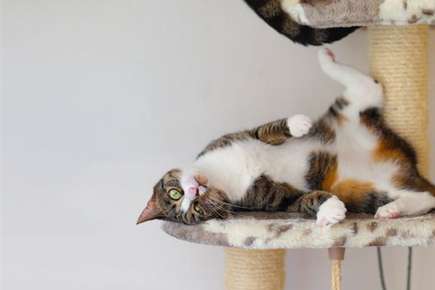
No matter how much you love your cat, some behaviors are hard to tolerate and may even be dangerous to you, your cat or others. Here are a few common cat behavioral issues and how to best manage them. Cognitive Dysfunction Due to better food, information and veterinary care, cats are living longer than

Feline
Aging
Owners often feel sad when they are forced to admit that their beloved cat is no longer jumping as high or running as fast as he or she used to. But cats, like humans, are living longer than ever, and their golden years can be of high quality despite slowing down. Advances in veterinary care, better

Living With Your Pet
Seasonal Care
Heat Stroke Heatstroke may kill or seriously injure your pet—but it can easily be avoided by adhering to the following tips. Never leave pets in cars on warm days. Exercise your pet during the cool part of the day. Look out for rapid breathing, loud panting or staggering; these can be signs of dehydration,

Living With Your Pet
Recognizing Illnesses
Only a healthy pet is a happy companion. Assuring your pet's daily well-being requires regular care and close attention to any hint of ill health. The American Veterinary Medical Association therefore suggests that you consult your veterinarian if your pet shows any of the following signs: * Abnormal
Testimonials
Reviews By Our Satisfied Clients
Reviews By Our Satisfied Clients
Newsletter Signup
Sign up now for more articles