
Viewing 49 - 54 out of 184
Feline
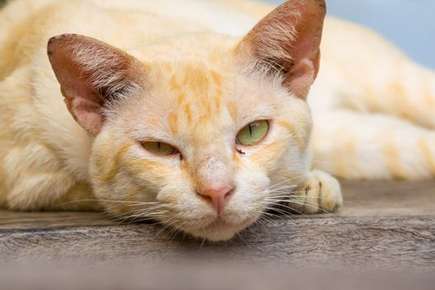
Feline Anemia
A diagnosis of anemia means your cat does not have enough red blood cells and/or hemoglobin to carry sufficient oxygen to all of his or her tissues. Each red blood cell lives only 70 to 80 days, so your cat’s body must constantly replenish these. Anemia itself is not a disease; it indicates that some

Feline
Eye Problems
Cats normally have excellent vision—their eyes are about six times more sensitive to light than a human’s eyes. However, injuries and a variety of diseases can impair a cat’s vision and even cause blindness. You can help your cat keep its eyes healthy by making sure it has regular check-ups and

Feline
Euthanasia
It is never easy to say goodbye to a cat that has been part of your life for many years. This is even truer when your veterinarian suggests that you consider euthanasia. However, euthanasia may be the most humane way to care for a beloved best friend that is suffering. Is It Time to Say Good-bye? The

Feline
Common Fungal Infections in Cats
Fungi are spore-generating, parasitic organisms. They are able to survive by taking in food from the hosts on which they grow. Cats can develop fungal infections when fungi spores are ingested, inhaled or enter a cut or wound. Common sources of most fungal infections are soil and bird droppings, making

Feline
Cats and Poisons
Many cat owners already know that insecticides and antifreeze are not things their cats should consume. However, many everyday, innocuous-seeming substances are also poisonous to cats. From a beautiful bouquet of lilies to human medications casually left around the house, you never know what you cat
Feline
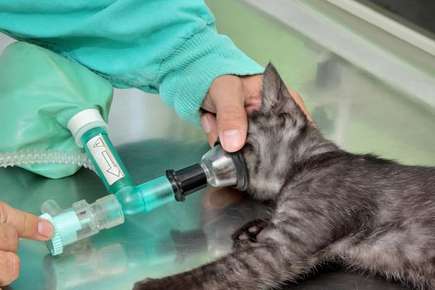
Anesthesia
It’s an unfortunate fact that most cats don’t relish a trip to the vet. For this reason, sometimes they need to be sedated—both for their own and the veterinarian’s safety—during even relatively simple procedures. Anything from dental care to a major surgery may require anesthesia. Some especially
Testimonials
Reviews By Our Satisfied Clients
Reviews By Our Satisfied Clients
Newsletter Signup
Sign up now for more articles